


Business Website, Landing Page, or Online Store? How to Choose the Right Format to Generate Leads
This article provides a clear framework for choosing the right type of website for your goals, where businesses most often waste their budget, and how to build a website that actually generates inquiries.
1) The Most Important Rule
Choose your website format based on what you actually want to achieve — not simply on what your competitors have: generate leads quickly, present your company, or accept online orders and payments.
If your goal is to generate leads or calls for a specific service, a landing page is often the best fit. If your goal is to build trust and present your company, a business or corporate website is usually the better choice. If you need a product catalog with a shopping cart and payments, you need an online store.
Business Website
Best when you need to build trust, showcase your portfolio, explain who you are and how you work, and provide clear contact information.
Landing Page
Best for quickly generating leads for 1–3 services, especially from paid advertising or promotions.
Online Store
Best when you need to accept orders with a catalog, filters, shopping cart, payments, and delivery options.
2) Business Website: When It’s the Right Choice
A business website works well when customers need to understand who you are, your experience, examples of your work, your guarantees, and how to contact you. It becomes the foundation for your sales: advertising, referrals, and social media all ultimately depend on trust.


At a minimum: clear positioning, 3–7 services, key benefits, case studies or a portfolio, testimonials, a “How We Work” section, FAQ, contact information, and quick-action buttons (WhatsApp/Telegram/call).
Most importantly, a business website can generate leads when it provides a clear path: what the visitor should do next and why taking that action benefits them.
3) Landing Page: When It Works Best
A landing page usually performs best when you are promoting a specific offer: a service, package, promotion, or a single product category. It is designed to guide visitors step by step toward taking action.


The most common mistake is making a landing page look attractive while failing to include a strong offer (exactly what you provide), proof (case studies, numbers, process), and an easy way to contact you (form, messaging apps, or quick-action buttons).
4) Online Store: When You Need One
An online store makes sense when you have a range of products and need filters, comparisons, a shopping cart, delivery and payment options, customer accounts, and the ability to process orders efficiently. It is the most feature-rich — and the most complex — website format.


An online store is about more than design. You need a clear category structure, search, filters, well-planned logistics, integrations (payments/delivery/inventory), and fast performance. Without these elements, you may have an online store that is frustrating for customers to use.
5) Quick Comparison
Below is a quick comparison to help you understand — or explain to your team — why a particular website format makes sense for your specific goals.

| Criteria | Business Website | Landing Page | Online Store |
|---|---|---|---|
| Goal | Trust, company presentation, and lead generation | Immediate leads for a specific offer | Orders, shopping cart, and product sales |
| Content | Company information, case studies, services, testimonials | Offer, benefits, proof, FAQ, lead form | Catalog, product pages, filters, delivery |
| Growth | Easy to expand with additional pages and sections | Multiple landing pages can be created for different services | Growth through product range and integrations |
| Complexity | Medium | Low/Medium | High |
6) How to Choose in 10 Minutes: A Simple Process
Answer three questions: (1) Are customers buying a service or a product? (2) How many services or product categories do you offer? (3) Where will your traffic come from — paid ads, search, or referrals? Once you answer these, the right format becomes much clearer.

Start with a landing page. You can create a dedicated landing page for each service.
Choose a business or corporate website with a well-planned structure and strong case studies.
Choose an online store — or start with a catalog without online payments if you want a simpler launch.
7) Why Your Website Isn’t Generating Leads
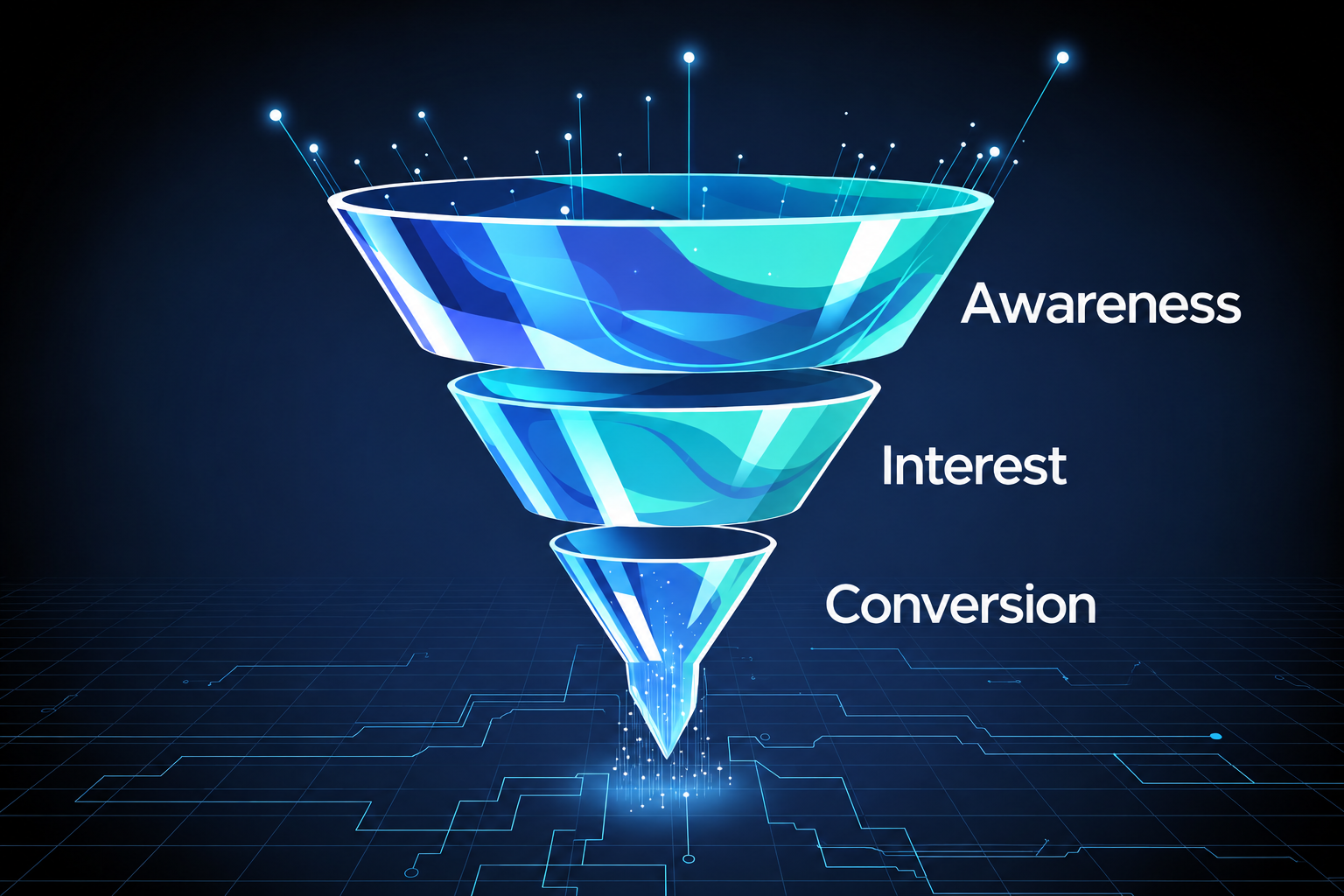
A website can look premium, but if visitors don’t clearly understand what you offer, why they should trust you, and what to do next, you will struggle to generate leads. Your website needs a clear conversion path.

This is especially important on mobile. Provide quick-action buttons for calls, WhatsApp, Telegram, and contact forms. Most importantly, repeat these options throughout the page instead of hiding them only in the footer.
We’ll Choose the Right Website Format to Help You Generate Leads — Built Around Your Goals
Tell us what you sell and where you expect your traffic to come from, and we’ll recommend the most practical option: a business website, landing page, or online store — with a clear page structure and user journey designed to generate inquiries.
-
Define What Needs to Drive the Sale offer, benefits, trust elements, and a strong hero section
-
Build the Page Structure Step by Step so visitors understand what to do next and why they should choose you
-
Plan the Next Step for Google Ads / SEO which pages you need, what belongs on a landing page, and what should remain in the main navigation